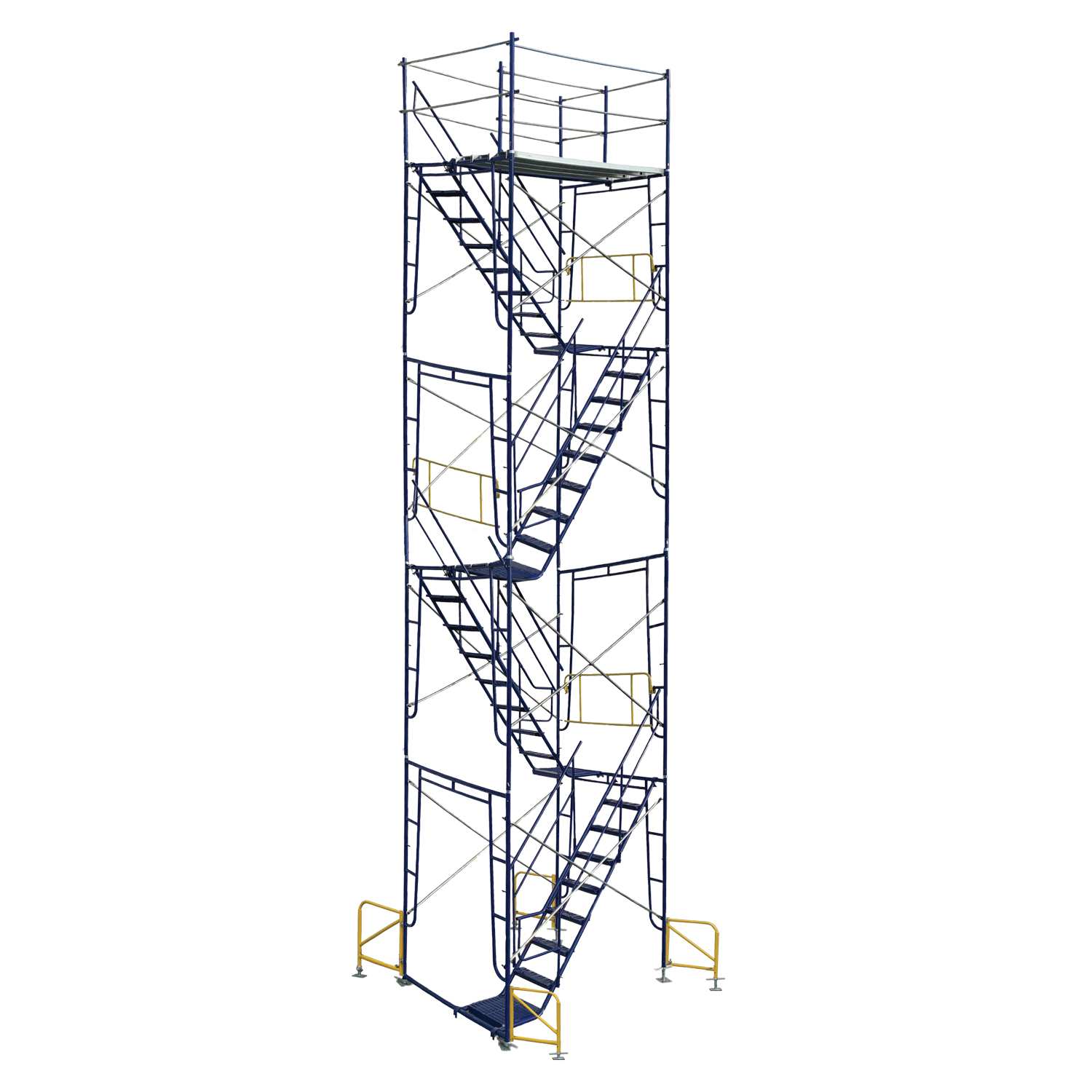
In the construction sector, scaffolding often is overlooked by the glamorous aspects of building design and architecture. However, its role is absolutely crucial, serving as the foundation that allows projects to achieve new heights safely and efficiently. Whether you are working on a high-rise skyscraper or a modest renovation, the significance of proper scaffolding cannot be underestimated. It acts as a safety net for workers, making certain they have the structure needed to carry out their tasks while mitigating the risks associated with working high above the ground.
In our exploration into the realm of scaffolding, we will examine why professional installation is necessary in addition to basic safety regulations. From effective risk mitigation strategies to grasping the legal frameworks that guide scaffold use, we will tackle the intricacies of scaffolding that every contractor and project manager should prioritize. By shedding light on the best practices and frequent mistakes, we aim to elevate the conversation around scaffolding and underline its role as the unsung hero of construction projects.
The Value of Specialized Scaffold Erection
Specialized scaffold erection is crucial to guaranteeing a secure working atmosphere on development sites. Adequately trained professionals comprehend the complexities of scaffolding systems and have the expertise to properly put together, oversee, and dismantle scaffold structures. This competence not only adheres with safety regulations but also substantially reduces the likelihood of incidents, which can result in grave injuries and expensive legal ramifications. With the stakes so high, relying on experienced professionals removes the uncertainty and brings assurance to project managers and laborers alike.
Moreover, the integration of scaffold into project is critical. A professional who specializes in scaffold erection can evaluate the construction requirements and customize the scaffold solution suitably. This includes estimating the appropriate amount of support material needed, taking into account the building's structure, and making certain that all safety protocols are adhered to. By thoroughly designing and expertly erecting scaffolding, contractors can provide a safe platform for laborers and boost overall project effectiveness.
Finally, the economic benefits of specialized scaffold erection should not be overlooked. While it may look more expensive at first to hire professionals, the future savings from lower accident rates, efficient installation, and compliance with regulations exceed the start-up investment. Properly set up scaffolding not only improves security but also supports quicker project timelines and minimizes the potential for setbacks caused by accidents or infractions. Thus, engaging qualified professionals is a smart decision that brings rewards throughout the development process.
Safety Measures and Protection Guidelines
Effective hazard prevention in building endeavors is vital to establishing a safe building atmosphere. Contractors must conduct thorough site assessments to recognize potential hazards, such as unstable ground, electrical hazards, and climate concerns. By noticing these risks early, they can adopt safety measures tailored to the specific challenges of the site. This forward-thinking approach merely protects workers but also minimizes delays and financial losses.
Establishing strong safety protocols is necessary for any construction project that involves scaffolding. Workers should be trained on the correct use of scaffolding equipment, including proper handling, climbing techniques, and the significance of PPE. Ongoing safety meetings and drills help solidify these protocols and confirm everyone on site is aware of their responsibilities. Following to Bath Scaffolders is vital for maintaining a culture of safety that prioritizes worker health.
Ultimately, regular inspection and maintenance play a pivotal role in hazard control. A detailed scaffold inspection checklist should be used daily to evaluate the stability of the structure and adherence with safety regulations. This includes inspecting for wear and tear, ensuring connections are stable, and assuring that load capacities are not surpassed. Regular audits help pinpoint areas for enhancement and ensure that all scaffolding practices meet compliance mandates, providing an extra level of protection for workers and the project as a whole.
Selecting the Right Scaffolding Solutions
Choosing an appropriate scaffolding option is vital for the effective outcome of all construction project. It begins with a complete analysis of the construction project's requirements, including height, load capacity, and the nature of the work. Different designs, such as frame-based scaffolding, suspended scaffolding, or system scaffolding, address varied tasks and environments. Factors like accessibility, site characteristics, and project timeline also are important in determining the most appropriate scaffolding type.
A construction manager should evaluate the unique challenges presented by the site to select the most effective solution. For instance, uneven ground may require adjustable scaffolding systems, while intricate structures may need bespoke scaffolding solutions that enhance reach and safety. Reviewing previous projects can offer insights into the best-performing systems under similar circumstances, helping in making better decisions.
Financial factors are also critical when selecting scaffolding options. It is vital to weigh quality and cost to prevent excessive costs for scaffolding rentals or encountering safety concerns down the line. Engaging with an expert contractor ensures that all aspects from material costs to set-up and decommissioning are accounted for, yielding a scaffolding solution that is both safe but also cost-effective.