

In an era marked by rising water scarcity and climate change, borehole drilling has become as a vital solution for obtaining reliable water sources. As traditional supplies become strained under the pressures of growing populations and environmental changes, tapping into underground aquifers can provide a vital lifeline. This transformative method not only provides access to fresh water when surface options are depleted but also serves as an essential step in climate change resiliency our water supply for future generations.
However, embarking on a borehole drilling project comes with its own set of challenges and triumphs. From understanding the geological factors that affect water availability to navigating the complexities of permits and budgeting, potential drillers must be well-informed. Additionally, ensuring the safety and reliability of the water extracted is paramount. This article delves into the multifaceted world of borehole drilling, exploring the intricacies of the drilling process, the science behind it, and the long-term benefits and considerations that come with establishing a deep well. Whether you're a homeowner seeking a sustainable backup plan or a farmer striving to maximize crop yield, understanding the nuances of borehole drilling can pave the way for intelligent water management and security.
The Importance of Drilling Boreholes
Borehole drilling is an essential method in modern world, particularly as climate change continues to impact water availability. With rising water boreholes north wales of water shortages and erratic weather patterns, relying solely on surface water can be risky. Drilling boreholes allows residents and localities to tap into deep, reliable water sources, ensuring a consistent supply even if traditional sources run dry. This makes boreholes not just a convenience, but a fundamental backup plan for securing water for both domestic and agricultural needs.
Additionally, boreholes offer an effective way to access clean and potable water. With surface water often exposed to pollution and contamination, boreholes provide a far more protected source. The ground conditions beneath the surface can greatly determine water quality and availability, making it important to comprehend the local conditions before excavating. By allocating resources in appropriate drilling techniques and materials, landowners can boost their chances of accessing potable water, vital for health and safety.
Lastly, the financial aspects of drilling boreholes cannot be overlooked. While the initial investment can be significant, the long-term benefits often outweigh these costs. By ensuring a steady and reliable water supply, boreholes not only improve property value but also provide a essential resource for watering crops and livestock needs. With strategic planning and management, borehole drilling can be a strategic investment towards sustainable living, helping to secure water for coming generations.
Enhancing Water Security
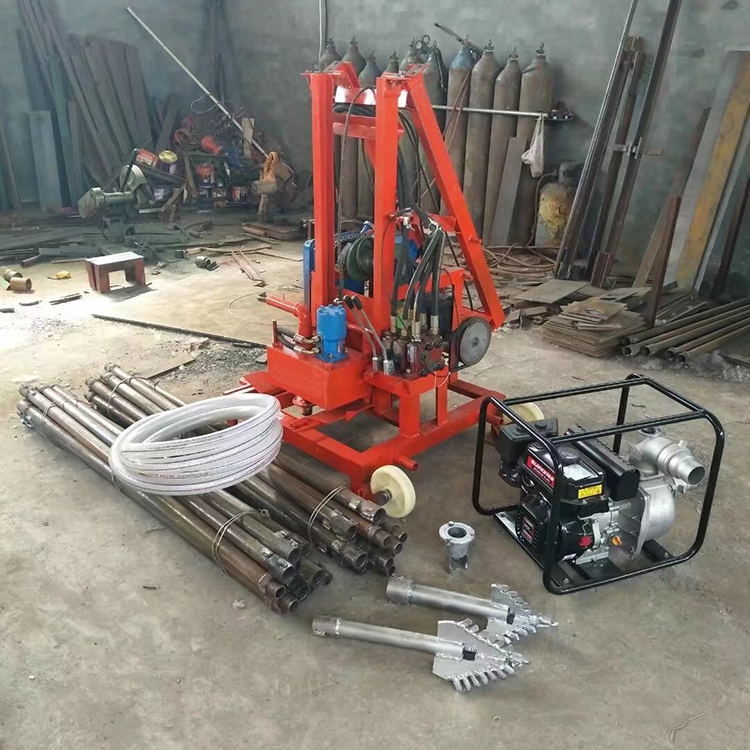
As the environment becomes increasingly unpredictable due to global warming, ensuring a strong water supply is vital. Borehole drilling offers an effective solution for securing a steady water source, permitting individuals and neighborhoods to tap into below-ground aquifers that are less affected by cyclical fluctuations. This flexibility empowers users to maintain access to clean water even during extended dry spells, making boreholes a key part of a holistic water backup plan.
However, not all borehole projects are the same, and maximizing water security requires careful preparation and execution. Recognizing the geology of the region is crucial; different layers of soil and rock can contain different amounts of water. The use of cutting-edge techniques in drilling and testing can aid identify the most yielding water layers and inform the placement of boreholes. Engaging professional consultants who utilize advanced technology can significantly boost the likelihood of successfully yielding clean water over a long period.
To further enhance the sustainability of borehole systems, consistent maintenance and monitoring are important. This includes checking water quality to address potential contamination from compounds like arsenic, as well as ensuring that the pumping system operates optimally. Incorporating restoration systems can help sustain aquifer levels while controlling water use wisely. By prioritizing these critical components, property owners can secure their water supply not just for now, but for subsequent generations.
Understanding Financial Aspects and Regulations
While initiating a borehole drilling project, comprehending the associated costs is crucial. The first investment regularly involves not only the drilling itself but also equipment, resources, and labor. It is essential to create a comprehensive budget breakdown to ensure all likely expenses are considered, from the drilling rig to the pump installation. Additionally, early testing to maximize yield can impact the overall cost, which makes it important to factor in these variables early in the planning process.
Legalities also play a crucial role in the borehole drilling process. Prior to any drilling taking place, property owners should familiarize themselves with the permits and regulations required in their area. This includes submitting the required paperwork to local authorities and recognizing any restrictions that might be in place regarding water extraction. A list can simplify this process, ensuring all legal requirements are met for a smooth drilling experience.
Finally, it's crucial to engage with trustworthy drilling contractors who are aware about local laws and best practices. Planning ahead by asking the right questions before hiring a driller can save time and money. A educated approach not only assists navigate the complexities of legalities but also protects your investment in water security for years to come.